Tree removal cost in Connecticut: what drives the price
By Dana Whitfield · Updated 2026-06-01
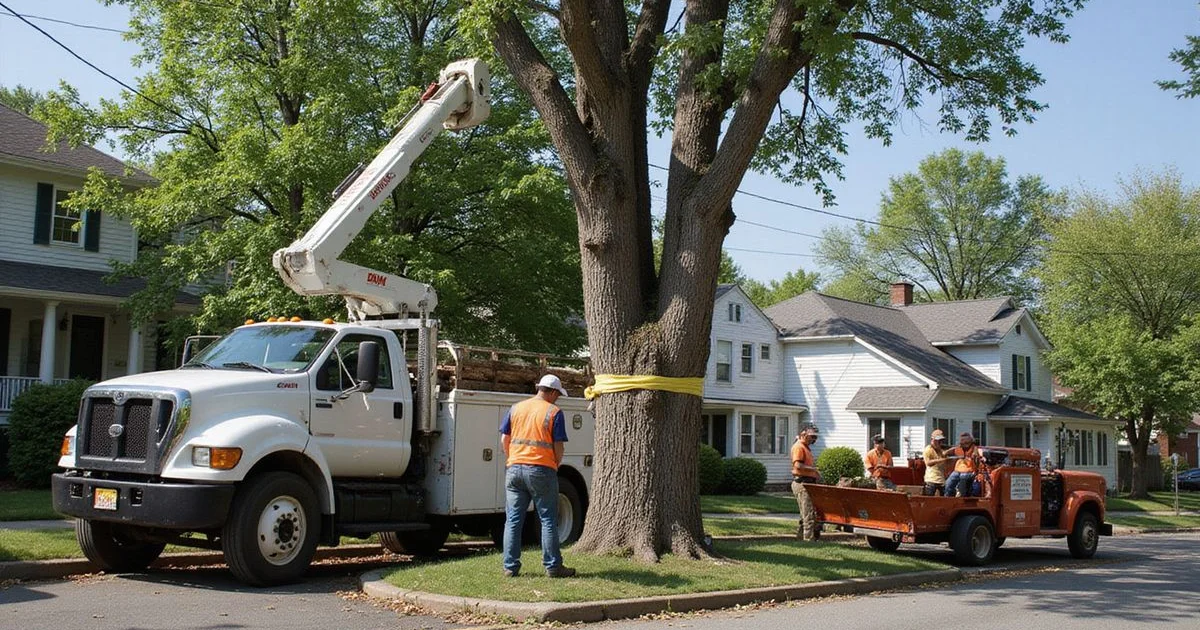
A dead oak leaning toward the driveway is not a project you shop for casually, but the price swing between quotes can be startling. Two crews can look at the same tree and come back with numbers that differ by hundreds of dollars. Here is what actually moves the price, so a quote makes sense instead of feeling arbitrary.
What most removals cost
Tree removal pricing in Connecticut tracks a few variables more than anything else: trunk diameter, overall height, and how much room the crew has to work. A small ornamental tree with open access on all sides is a different job than a mature tree wedged between a house, a fence, and a power line.
| Tree size (rough diameter) | Typical price range | What usually drives it |
|---|---|---|
| Small (under 12 in.) | Low hundreds | Minimal rigging, easy drop zone |
| Medium (12-24 in.) | Mid hundreds to around $1,000 | More cutting time, some rigging |
| Large (24-36 in.) | Roughly $1,000-$2,000+ | Sectional removal, more labor hours |
| Very large or hazardous | $2,000 and up | Crane access, utility coordination, technical rigging |
These are general ranges, not quotes. Treat them as a way to sanity-check what a crew tells you, not as a number to hold anyone to.
The factors that move a quote up
- Access. A tree in an open front yard is cheap to remove compared with one behind a fence, over a septic system, or next to a pool. If equipment has to be carried in by hand, expect the price to climb.
- Proximity to structures and power lines. Anything near a house, garage, or overhead line requires the crew to lower sections by rope rather than let them fall, which adds time and risk.
- Condition of the tree. A dead or storm-damaged tree can be more dangerous to climb than a healthy one, and crews price that risk in.
- Cleanup and hauling. Full debris removal, chipping, and stump grinding are often quoted separately from the cut-down itself.
- Permits. Some Connecticut towns require a permit or an inspection before a tree can come down, particularly for large specimen trees on a street-facing lot. That review can add a few days to scheduling and sometimes a fee.
What is worth asking before you agree to a price
Before signing, ask what is and is not included: stump grinding, full debris haul-away, and whether the quote assumes normal access or already accounts for a tricky yard. A crew that walks the property and gives a firm number after seeing the tree in person is more trustworthy than one that quotes over the phone from a description. Once a quote is signed, the hiring a tree service guide covers what the job itself looks like from first call to cleanup.
It also helps to ask about insurance and licensing directly, and whether the crew carries liability coverage in case a branch damages a fence or a neighbor’s property during the job. Ranking by a published scoring method that weighs review volume and sentiment, not just star rating, tends to surface companies that answer these questions plainly rather than dodging them.
Is it ever worth doing yourself
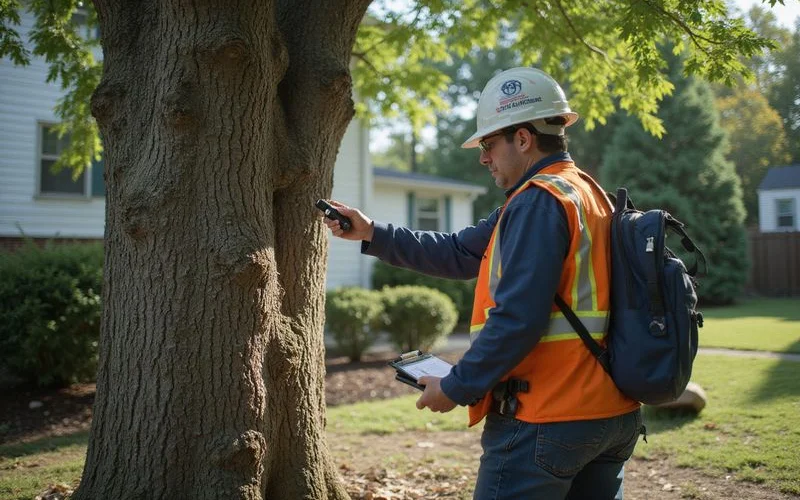
For a small tree with clear access and no risk to structures, a homeowner with the right tools can sometimes handle it. Anything with real height, weight, or proximity to a house, fence, or power line is a job for a trained crew. Chainsaws and gravity are unforgiving, and a miscalculated fall direction can turn a weekend project into a five-figure repair bill. If there is any doubt about the lean of the tree or what it might hit on the way down, that doubt is the answer.
Getting quotes that are worth comparing
Because access and condition matter more than size alone, a quote given without an in-person look is only a rough guess. Ask two or three companies to walk the property, and compare not just the total but what is included. A tree service with a track record of consistent, itemized quotes is usually the safer bet over one that lowballs and adds fees later.
For a broader look at what other landscaping and yard work runs in this state, the state cost overview covers the range across categories, from mowing contracts to full hardscape projects.
Common questions
- How much does it cost to remove a tree in Connecticut?
- Most residential removals fall in the low-to-mid hundreds for a small tree and can run well into four figures for a large or hazardous one. The range is wide because size, location, and access matter more than the tree species.
- Does homeowners insurance ever cover tree removal?
- Sometimes, but only in specific situations, usually when a tree fell because of a covered peril like wind or storm damage and it hit a structure. Routine removal of a healthy or dying tree is almost never covered. Check your policy or ask your agent before assuming coverage.
- Is stump grinding included in the quote?
- Not usually. Stump removal or grinding is often priced separately, so ask for it as a line item if you want the stump gone rather than left in the yard.
- Why do quotes for the same tree vary so much between companies?
- Crews price risk differently. A company with the right equipment for a tight backyard might quote less than one that has to bring in extra labor or a crane. Get more than one quote and ask each crew to explain their number.
Related on this site
- Browse tree service providers
- Best tree service in Connecticut →
- Hiring a tree service: what to expect, step by step
- Who's responsible when a tree falls in Connecticut: liability basics
- Tree work safety: what to know before a crew climbs your trees
- What landscaping costs in Connecticut and what changes the price
- All guides →