What landscaping costs in Connecticut and what changes the price
By Dana Whitfield · Updated 2026-06-06
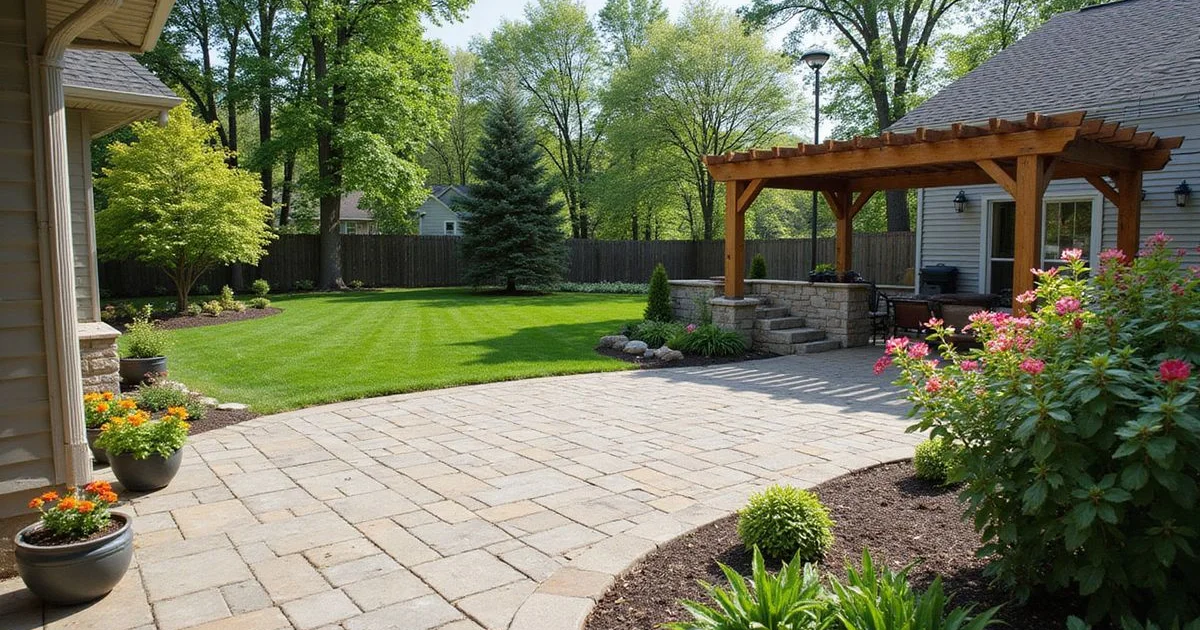
Every landscaping quote in Connecticut answers to the same handful of variables: how big the property is, how often the work repeats, and how much material or labor a project needs. Once you see the pattern, a quote stops feeling random and starts making sense.
The rough price bands by category
These are general ranges pulled from typical work across the state, not a quote for any specific yard. Site access, plant or material choices, and the condition of the property will move any of them up or down.
| Category | What it usually depends on | General price behavior |
|---|---|---|
| Lawn mowing and maintenance | Lot size, visit frequency, terrain | Recurring monthly cost, scales with visits and lawn size |
| Landscape design and installation | Project scope, materials, plant choices | Ranges from modest planting refreshes to full-yard redesigns |
| Hardscaping and masonry | Square footage, material grade, site prep | Patios and walls price per square foot plus labor for excavation |
| Irrigation and sprinkler systems | Yard size, number of zones, system type | Priced by zone count, with smart controllers adding a premium |
| Snow removal | Driveway size, storm frequency, contract type | Per-push pricing or a flat seasonal contract |
| Tree service | Tree size, access, condition | Highly variable, driven mostly by access and risk |
Snow removal is priced differently from the rest, per push or as a seasonal contract, and the snow removal cost guide breaks down which structure tends to save money over a full winter.
What actually moves a number
- Recurring vs. one-time work. A weekly mowing contract prices differently than a single design-and-build project, since recurring work spreads cost across the season and one-time work has to cover setup in a single visit.
- Access and lot complexity. Steep slopes, narrow side yards, and mature trees near the work area all add time, and time is most of what you’re paying for.
- Materials. Choosing higher-grade pavers, natural stone, or a smart irrigation controller over a basic timer changes the total meaningfully.
- Season and timing. Booking a spring cleanup in March looks different from calling in the first warm week of May, when every crew in the state has a backlog.
- Bundling. Companies that already handle your mowing often quote add-on work, like a fall cleanup or a small planting bed, at a better rate than a standalone job would cost.
Financing and payment terms
Larger projects, a full design and installation or a hardscape build, sometimes come with financing options through the contractor or a third-party lender, letting you spread the cost over months instead of paying the full amount up front. Terms vary widely, so read the interest rate and repayment schedule closely before signing rather than assuming it works like a typical retail installment plan.
For recurring work like mowing or snow removal, most companies bill monthly or per season rather than requiring payment up front for the full year. A reasonable deposit before a large one-time project is normal, but a request for full payment before any work begins is a red flag worth pausing over, regardless of how good the quote otherwise sounds.
Insurance rarely covers routine landscaping costs. The exception is damage-related work, a fallen tree that hit a structure, for example, which sometimes falls under a homeowner’s policy depending on the cause. Routine maintenance, design projects, and planned upgrades are almost always an out-of-pocket cost.
How to make sure a quote is actually comparable
Ask what’s included before comparing numbers side by side. A mowing quote that excludes edging and cleanup isn’t the same service as one that includes it, even if the sticker price looks lower. For bigger projects, ask whether the quote covers permits, disposal, and any site prep, or whether those come as add-ons later.
It also helps to separate a rough phone estimate from a firm quote given after someone walks the property. Phone numbers are useful for a first pass, but the real number comes after a site visit, especially for anything involving grading, drainage, or hardscape work.
Where to start
If you already know which category you need, the Connecticut landscaper directory narrows things down to businesses that actually do that kind of work, rather than general contractors who dabble in it. For a sense of how listings are scored and why some rank higher than others, the scoring method lays out the criteria in plain terms.
Getting two or three quotes for the same scope of work remains the most reliable way to know whether a price is fair, since ranges vary enough by property that a single number never tells the whole story.
Common questions
- Why do landscaping quotes vary so much between companies?
- Pricing depends on lot size, access, how often the work is needed, and the materials involved. Two companies quoting the same job can land far apart if one is pricing in extra travel time or a harder site.
- Is it cheaper to bundle services with one company?
- Often, yes. A company already doing weekly mowing may quote a lower rate for adding fall cleanup or seasonal color, since they're already on site and don't need a separate trip.
- Do landscapers charge more in the spring?
- Demand spikes in spring, and scheduling can get tight, which sometimes pushes prices up slightly or extends the wait for a start date. Booking early tends to get better availability, if not always a lower rate.
- Should I get more than one quote?
- Yes. Get at least two or three, and ask each company to itemize what's included, since a low number that excludes cleanup or disposal isn't actually the low number.