Free and low-cost lawn care help in Connecticut
By Dana Whitfield · Updated 2026-08-20
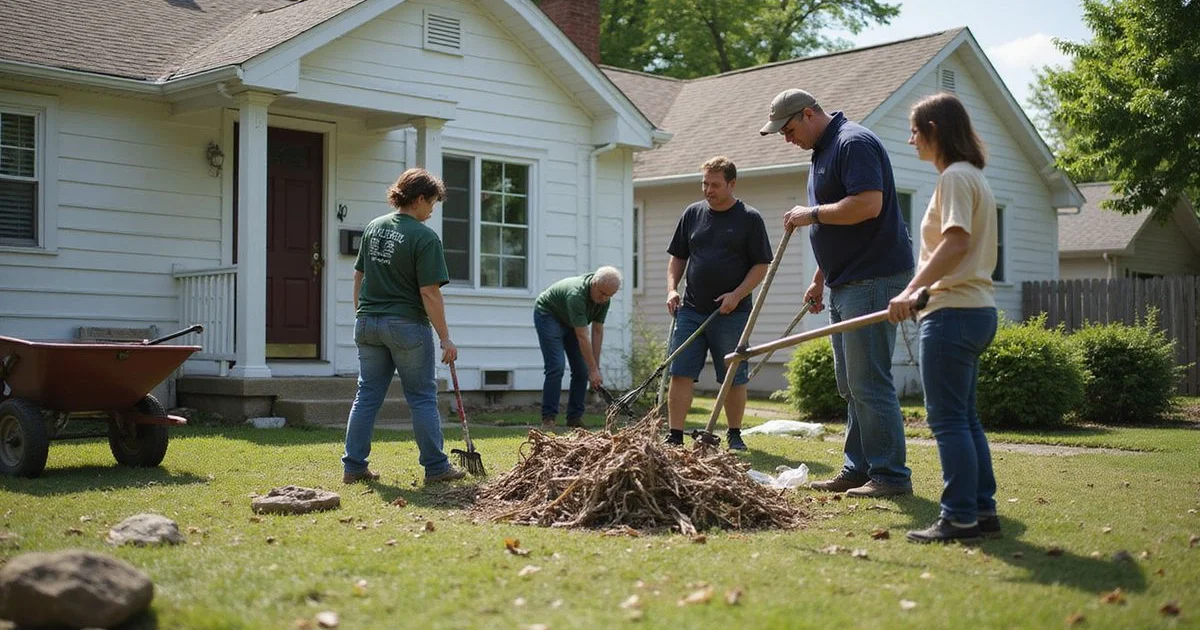
Lawn care isn’t optional in most Connecticut towns, since overgrown yards can draw code enforcement attention, but it’s also a real cost that doesn’t fit every budget. A few paths exist for reducing that cost, though availability varies more by town than by any statewide program.
Community and volunteer resources
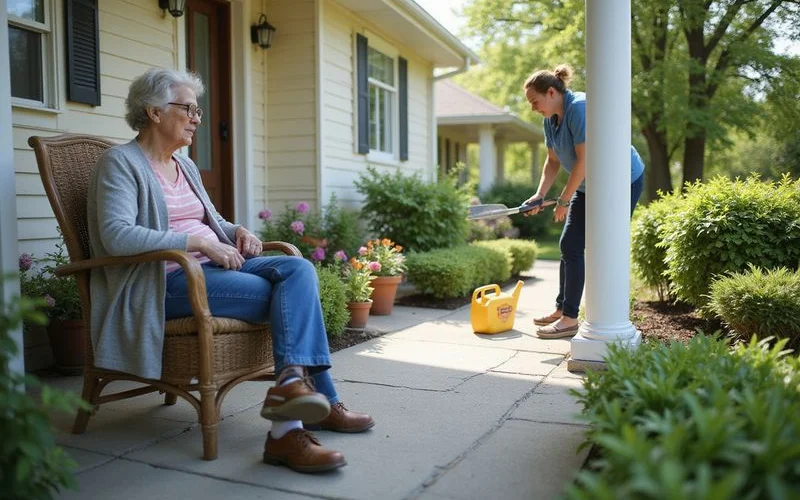
Some towns have senior centers, faith communities, or volunteer organizations that run seasonal yard-work assistance, often aimed at elderly residents or people with mobility limitations who can’t manage their own yard work. These programs tend to be organized locally and change from year to year depending on volunteer availability, so a call to your town’s senior services office or a local community organization is a more reliable starting point than a general search, since program availability isn’t consistent statewide.
| Resource type | Who it typically serves | How to find it |
|---|---|---|
| Town senior services office | Seniors, sometimes residents with disabilities | Call or visit your town hall’s senior services department |
| Faith-based or community volunteer groups | Varies, often seniors or families facing hardship | Ask local congregations or community centers directly |
| Company-specific discounts | Varies by business (seniors, veterans, etc.) | Ask directly when requesting quotes |
| One-time cleanup services | Anyone who doesn’t need ongoing contracts | Compare against full-season contract pricing |
Company discounts and flexible service options
Not every path to lower cost runs through a nonprofit or volunteer program. Some individual lawn care companies offer discounts for seniors, veterans, or first responders, though this isn’t standardized across the industry, so it’s worth asking directly rather than assuming it’s offered. Similarly, a one-time cleanup rather than a recurring contract can be a more affordable option for a yard that just needs periodic attention rather than weekly mowing.
Watching for scams
Reduced-cost or free help is unfortunately also where opportunistic scams tend to show up, particularly door-to-door offers after a storm or during peak season. A few warning signs are consistent: pressure to decide immediately, requests for full payment before any work begins, and reluctance to provide a written estimate or basic business information. Legitimate volunteer programs and reputable companies alike are generally comfortable with you taking time to verify who they are before committing.
Doing more with less
For homeowners handling their own lawn care but working with a tight budget, a few practical choices reduce ongoing cost without cutting corners on the yard’s health: choosing a hardier grass variety suited to the property’s sun and soil, mowing at the correct height rather than scalping the lawn (which often causes problems that cost more to fix later), and spacing out cosmetic extras like seasonal color in favor of the basics that keep a lawn code-compliant and healthy.
What towns actually require
Most Connecticut towns have some form of property maintenance ordinance addressing overgrown vegetation, typically triggered once grass or weeds pass a certain height. The point of these ordinances is usually about basic upkeep and neighborhood appearance rather than a manicured standard, so the bar for staying compliant is often lower than what a household might otherwise aim for. If cost or ability is limiting how much yard work you can keep up with, it’s reasonable to prioritize whatever keeps the property within your town’s actual requirement first, and treat everything beyond that as optional.
Combining approaches
Some households mix these options: leaning on a volunteer program or family help for the more physically demanding parts of yard work, while budgeting for occasional professional help for anything requiring equipment or expertise they don’t have. There’s no single right combination, since it depends on the specific yard and what’s realistically available in your town.
Where to look for paid options
If a paid option ends up making more sense than a free or volunteer resource, browsing lawn care and maintenance listings, ranked using a published scoring method built on review sentiment and completeness, is a reasonable way to compare companies, including asking about any discounts they offer. The Connecticut landscaper directory covers other categories as well if the yard needs more than routine mowing.
Common questions
- Are there organizations that provide free lawn care for seniors or people with disabilities?
- Some local senior centers, community organizations, and volunteer groups run seasonal yard-work assistance programs, though availability varies significantly by town and changes year to year. Your town's senior services office or a local community organization is usually the best first call to ask what's currently available.
- Do any lawn care companies offer reduced rates for seniors or veterans?
- Some individual companies offer discounts, though this varies by business and isn't universal. It's worth asking directly when getting quotes rather than assuming it's standard.
- What if I just need occasional help, not a full-service contract?
- Many companies offer one-time cleanup visits without requiring an ongoing contract, which can be a more affordable option if regular maintenance isn't needed or affordable.
- How do I avoid a scam when looking for cheap lawn care help?
- Be cautious of anyone asking for full payment before any work is done, unusually low quotes with no willingness to put terms in writing, or unsolicited door-to-door offers pressuring an immediate decision.
Related on this site
- Browse lawn care & maintenance providers
- Best lawn care & maintenance in Connecticut →
- Lawn chemical and pesticide safety for kids and pets
- Fall yard prep checklist for Connecticut winters
- A first-time homeowner's guide to hiring a landscaper in Connecticut
- Landscaping and yard care for seniors and aging in place
- All guides →