A first-time homeowner's guide to hiring a landscaper in Connecticut
By Dana Whitfield · Updated 2026-06-21
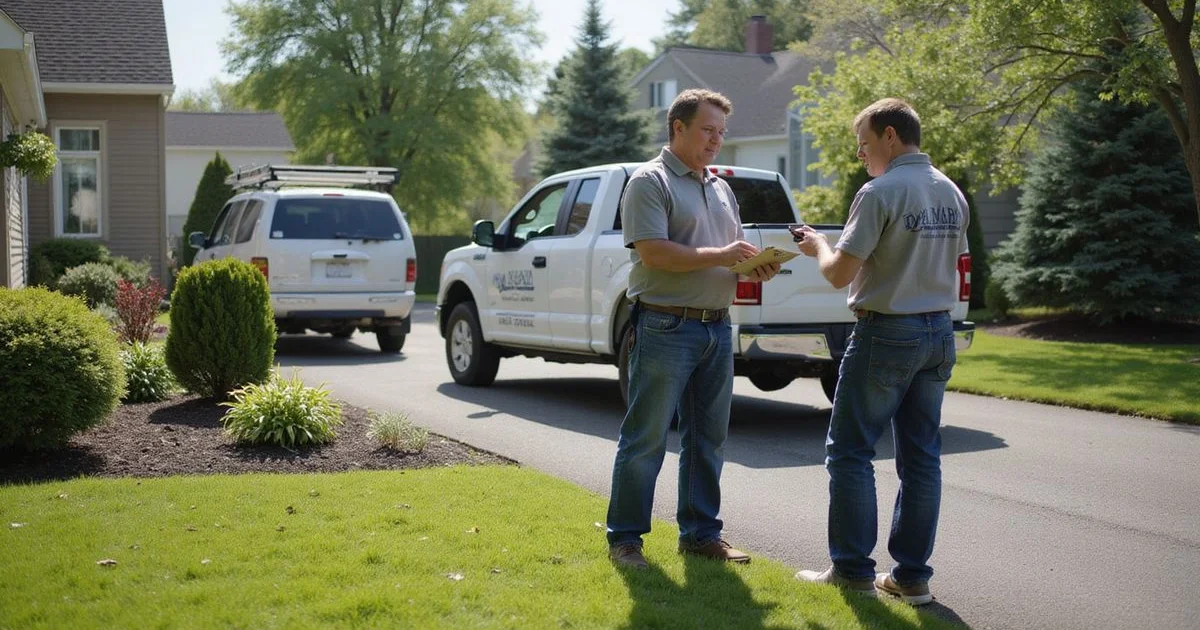
Hiring a landscaper for the first time comes with a specific kind of uncertainty: you don’t yet know which questions separate a solid crew from one that’s going to be a headache by midsummer. The good news is that the same handful of checks work for almost any category, from mowing to a full yard redesign.
Start with a clear scope
Before contacting anyone, write down what you actually want done. “Fix up the yard” turns into wildly different quotes depending on whether that means weekly mowing, a one-time cleanup, new planting beds, or a full redesign. A specific scope makes quotes comparable and keeps a company from padding the estimate to cover ambiguity. If cost is the real obstacle rather than finding the right company, the free and low-cost lawn care guide lists assistance options worth checking before you request paid quotes at all.
What to check before you call anyone
- Recent, detailed reviews. A handful of five-star reviews from years ago tells you less than a steady pattern of recent feedback describing what actually happened on the job.
- How they handle scheduling. Reliability is one of the most common differentiators in this industry. Ask directly how they handle rescheduling around weather, and whether you’ll get advance notice of a delay.
- What’s included in a quote. Get an itemized breakdown, not a single number. Cleanup, disposal, and add-on services are common places where a low quote turns out to exclude something you assumed was included.
- Licensing and insurance. Especially for tree work, hardscaping, or anything involving equipment near your house, confirm the company carries liability coverage.
Red flags worth taking seriously
| Red flag | Why it matters |
|---|---|
| Refuses to give a written quote or contract | Makes it hard to hold anyone to the agreed scope or price later |
| Pressures you to decide same-day | A legitimate company can wait for you to compare options |
| Vague about what “cleanup” or “full service” includes | Often means it’s priced separately and left out of the quote |
| No recent reviews, or reviews cluster around a single burst of activity | Can indicate incentivized reviews rather than a steady track record |
| Asks for full payment up front for a large project | Reasonable deposits are normal; full payment before work starts is not |
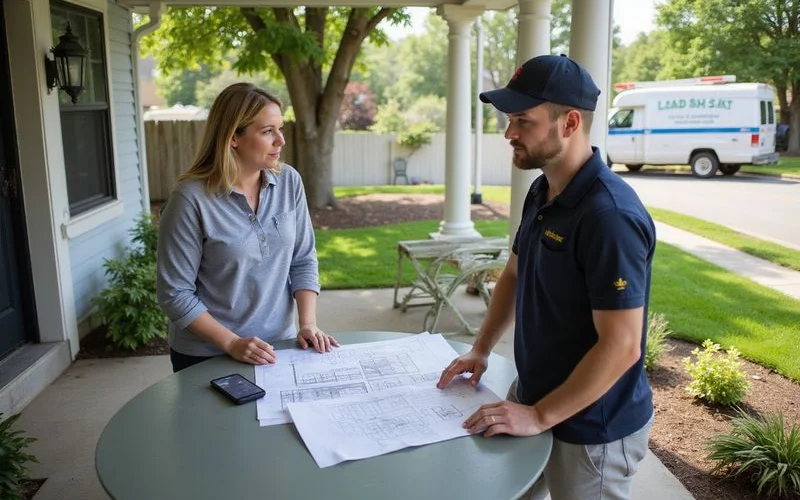
Recurring contracts vs. one-time jobs
A weekly mowing contract is a different kind of hire than a one-time cleanup or a design project, and it’s worth deciding which you actually need before calling anyone. Recurring contracts benefit from a company that’s easy to reach for schedule changes and consistent over a full season, since you’ll be dealing with them repeatedly. One-time jobs put more weight on the initial quote and a single clear handoff at the end, since there’s no ongoing relationship to fall back on if something’s off.
If you’re not sure yet whether you want an ongoing relationship, some homeowners start with a one-time cleanup or seasonal service and use that first job to judge whether they want to move to a recurring contract with the same company.
Setting expectations early
A short conversation before work starts, covering how you prefer to be contacted, what counts as an emergency versus something that can wait, and how billing works, heads off a lot of the friction that shows up later. Most disputes between homeowners and landscapers come down to mismatched assumptions rather than genuinely bad work, so spelling out expectations plainly at the start is worth the ten minutes it takes.
Once you’ve narrowed it down
Get quotes from two or three companies for the same scope of work, and ask each one the same set of questions so the answers are actually comparable. Pay attention to how they respond, not just what they say. A company that answers scheduling and cleanup questions plainly, without hedging, is usually the one that follows through once the contract is signed.
For ongoing work like mowing or seasonal maintenance, put the agreement in writing even if it feels like overkill for a routine job. A simple document covering frequency, price, and scope prevents the slow scope creep that causes most disputes later in the season.
Where to look
The Connecticut landscaper directory groups landscapers by category, so you can narrow the search to companies that specialize in the specific work you need rather than general contractors taking on side work. Rankings are built on a published scoring method that weighs review volume and sentiment together, which tends to reward consistency over a handful of standout reviews.
Common questions
- How many quotes should I get before choosing a landscaper?
- At least two or three for anything beyond a small one-time job. Comparing quotes side by side also helps you spot which company is itemizing clearly and which is being vague about what's included.
- What's a reasonable way to check a landscaper's reliability before hiring?
- Look for a pattern of recent reviews mentioning follow-through, not just praise for the work itself. Companies that show up on schedule and communicate about delays tend to have that reflected consistently across many reviews, not just one glowing one.
- Should I sign a written contract for ongoing lawn care?
- Yes, even for something as routine as weekly mowing. A simple written agreement covering frequency, price, and what's included protects both sides if expectations drift over the season.
- What if the landscaper I hired does incomplete or inconsistent work?
- Raise it directly and promptly, referencing what was agreed to. If it isn't resolved, most homeowners either request a redo of the specific issue or, for a pattern of problems, end the contract per its terms and look elsewhere.