Fall yard prep checklist for Connecticut winters
By Dana Whitfield · Updated 2026-08-10
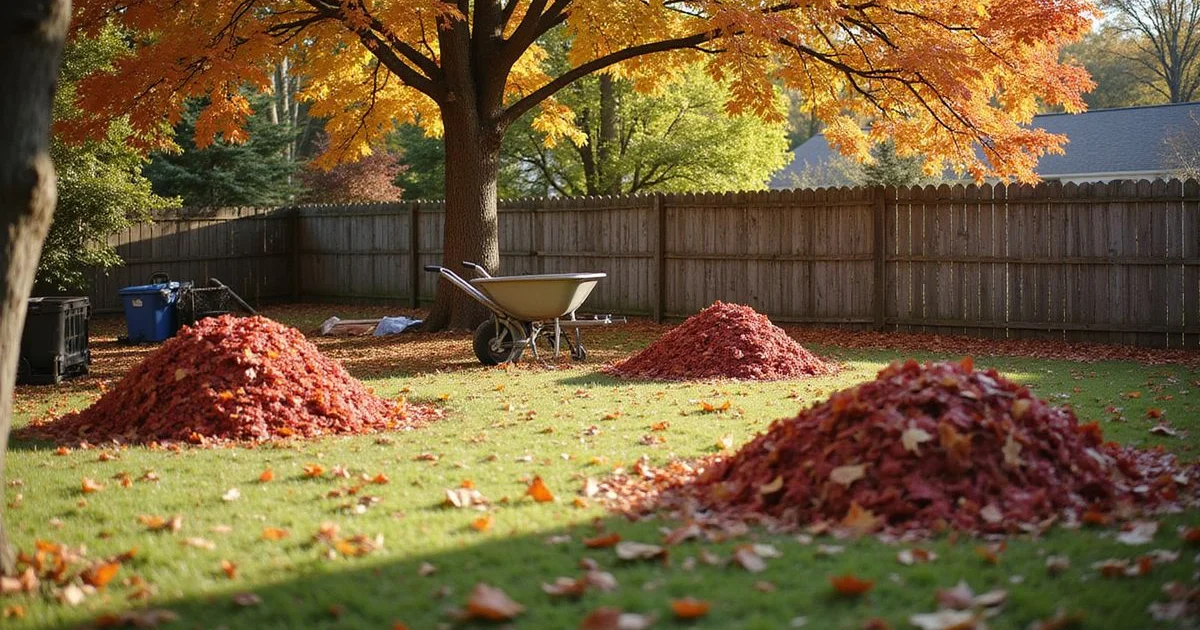
Fall is the season where a little effort pays off disproportionately later. A lawn and yard prepped well before winter tends to come back stronger in spring, while one left as-is often needs more repair work once the snow melts.
The checklist
| Task | Rough timing | Why it matters |
|---|---|---|
| Final mow at a slightly shorter height | Late fall, before growth stops | Prevents matting under snow and reduces fungal risk |
| Aeration and overseeding | Early-to-mid fall | Cool soil and reduced competition from weeds favor grass establishment |
| Fall fertilization | Early-to-mid fall | Supports root development going into winter |
| Clear fallen leaves regularly | Ongoing through leaf drop | A thick leaf layer can smother and damage grass underneath |
| Cut back perennials and clean planting beds | Mid-to-late fall | Reduces overwintering pests and disease, tidies beds for spring |
| Irrigation system shutdown | Before the first hard freeze | Prevents frozen water from cracking pipes and components |
| Store or protect outdoor equipment and hoses | Before consistent freezing weather | Extends equipment life and prevents freeze damage |
Why the order matters
Aeration and overseeding work best before fall fertilization, since aerating opens up the soil for both seed and fertilizer to reach the root zone more effectively. Doing these tasks in the wrong order, or too late in the season, reduces how much benefit the lawn actually gets before growth slows for winter.
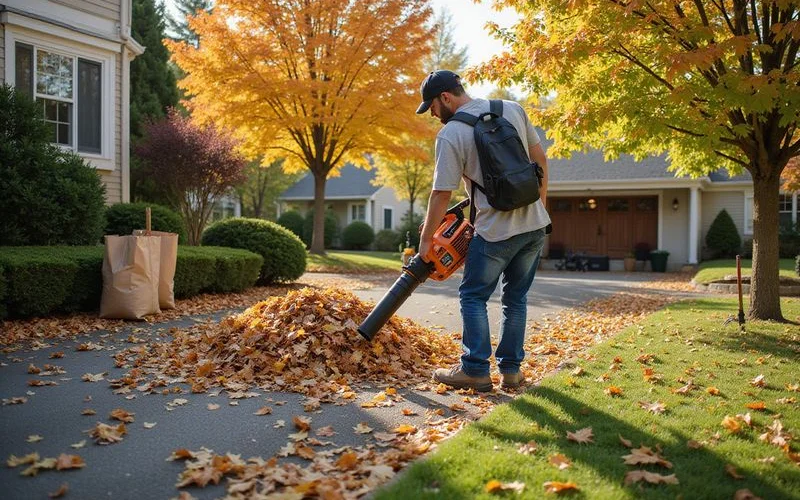
Leaf clearing is more about frequency than a single big cleanup at the end. A thick, wet layer of leaves left on the lawn for weeks can block light and trap moisture in a way that damages the grass underneath, so clearing every week or two through peak leaf drop works better than waiting for all the leaves to fall before starting.
The two tasks that matter most if time is short
If the season gets away from you and only a couple of tasks are realistic, prioritize leaf clearing and irrigation shutdown. A season’s worth of leaves smothering the lawn causes visible damage by spring, and a missed irrigation shutdown risks a frozen, cracked system that costs more to repair than the shutdown itself would have cost to do properly.
Perennials and planting beds
Cutting back spent perennials and clearing debris from beds reduces places for pests and disease to overwinter, and it makes spring cleanup considerably faster since you’re not starting from a fully overgrown bed. Some perennials benefit from being left standing over winter for structural interest or to support beneficial insects, so it’s worth checking which plants in your specific beds prefer a fall cutback versus a spring one.
Trees and shrubs need their own attention
Fall is also a reasonable time to have trees and larger shrubs assessed, since a hazardous limb is easier to spot once leaves have thinned and easier to remove before winter storms add wind and ice-loading to the equation. Pruning most trees in late fall or winter, once they’re dormant, is generally easier on the tree than pruning during active summer growth. If a tree looked stressed or dropped leaves unevenly over the summer, fall is a good window to have it looked at before winter weather adds further strain.
Mulching beds for winter
A fresh layer of mulch applied in late fall helps regulate soil temperature swings and reduces frost heave, which can push shallow-rooted plants partway out of the ground over a winter with repeated freeze-thaw cycles. This is a different purpose than spring mulching, which is more about weed suppression and moisture retention, so it’s worth doing both rather than assuming one application in spring covers the whole year.
Getting help with the bigger tasks
Aeration, overseeding, and irrigation shutdown all benefit from equipment most homeowners don’t own, which is why many properties bring in a professional for these specific tasks even if routine mowing is handled independently. If cost is the deciding factor, the free and low-cost lawn care guide lists assistance options worth checking before hiring out these tasks. Browsing lawn care and maintenance listings, scored with a published method weighing reviews and completeness, is a good way to find a provider for fall services. The Connecticut landscaper directory also covers irrigation specialists if the shutdown needs a dedicated crew.
Common questions
- When should fall lawn prep start in Connecticut?
- Most of the core tasks, aeration, overseeding, and fall fertilization, are best handled in early-to-mid fall, giving grass time to establish before the ground gets cold. Leaf cleanup and irrigation shutdown run later, closer to when trees finish dropping leaves and the first hard freeze approaches.
- Is fall fertilization actually important, or can it be skipped?
- A fall application is one of the more impactful lawn treatments of the year for cool-season grass, since it supports root development going into winter and gives the lawn a stronger start the following spring. Skipping it isn't catastrophic, but it's one of the higher-value tasks on this list.
- Do I need to cut the lawn shorter for the last mow of the season?
- A slightly shorter final cut than your summer height is common practice, since grass that's too long going into winter can mat down under snow and become more prone to fungal issues.
- What if I only have time for one or two tasks?
- Clearing leaves off the lawn and shutting down the irrigation system before a hard freeze are the two with the most direct consequences if skipped, so prioritize those if time is limited.
Related on this site
- Browse lawn care & maintenance providers
- Best lawn care & maintenance in Connecticut →
- Lawn chemical and pesticide safety for kids and pets
- Free and low-cost lawn care help in Connecticut
- When to turn your sprinkler system on and off in Connecticut
- Landscaping checklist before selling your Connecticut home
- All guides →