Landscaping checklist before selling your Connecticut home
By Dana Whitfield · Updated 2026-08-15
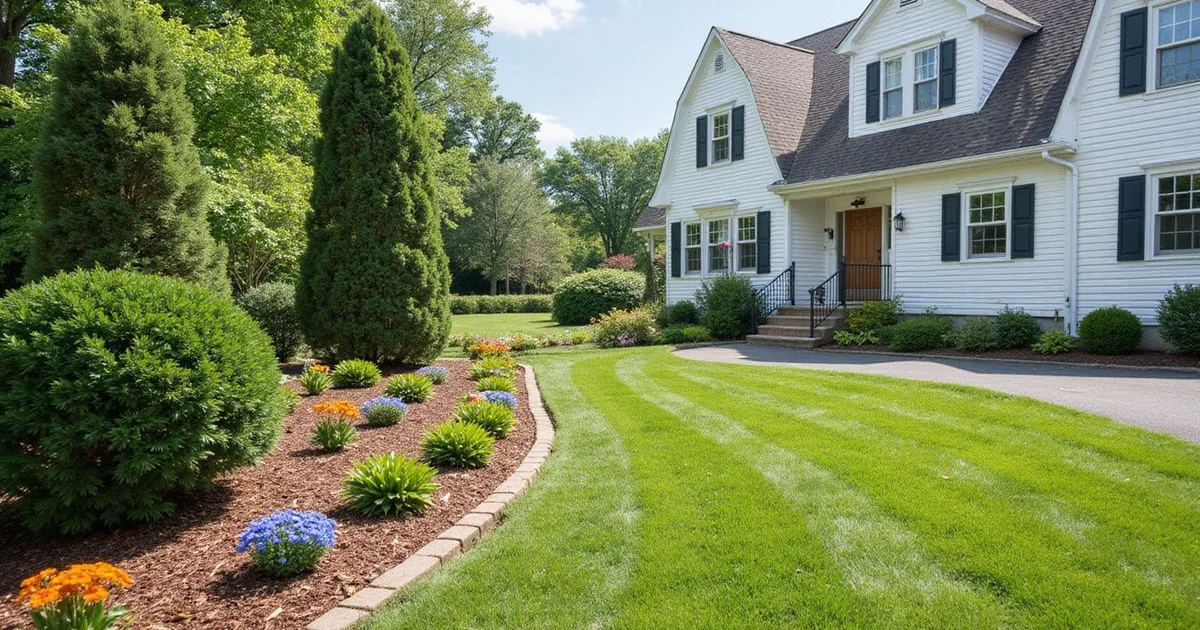
A buyer’s first impression of a home forms before they’ve stepped through the front door, and a yard that looks neglected can plant doubt about the rest of the house, fairly or not. The good news is that the highest-impact landscaping updates before a sale are usually the cheapest ones, not the most expensive.
What’s worth doing
| Update | Rough impact-to-cost ratio | Notes |
|---|---|---|
| Thorough cleanup: mow, edge, weed, fresh mulch | High | The single best return for the effort involved |
| Trim overgrown shrubs and trees near windows or walkways | High | Opens up sightlines and makes the house feel more visible and cared for |
| Fresh, simple planting at the entry | Moderate to high | A few well-chosen plants at the front door go further than a full bed redo |
| Repair or refresh a worn walkway or small patio area | Moderate | Worth it if visibly cracked or uneven, less urgent if just aged but sound |
| Full landscape redesign | Low | Expensive, buyers often have their own vision for the space |
| New large hardscape features (pools, elaborate patios) | Low, sometimes negative | Rarely recoups cost and can even narrow buyer appeal |
Why cleanup beats redesign
Buyers touring a home are largely judging maintenance and care, not evaluating your specific design taste. An overgrown, weedy yard reads as neglect regardless of how nice the underlying bones are, while a clean, simple yard reads as well cared for even without an elaborate design. This is why a thorough cleanup consistently outperforms an expensive redesign on a cost-per-impact basis: it fixes the actual signal buyers are picking up on.
Timing the work
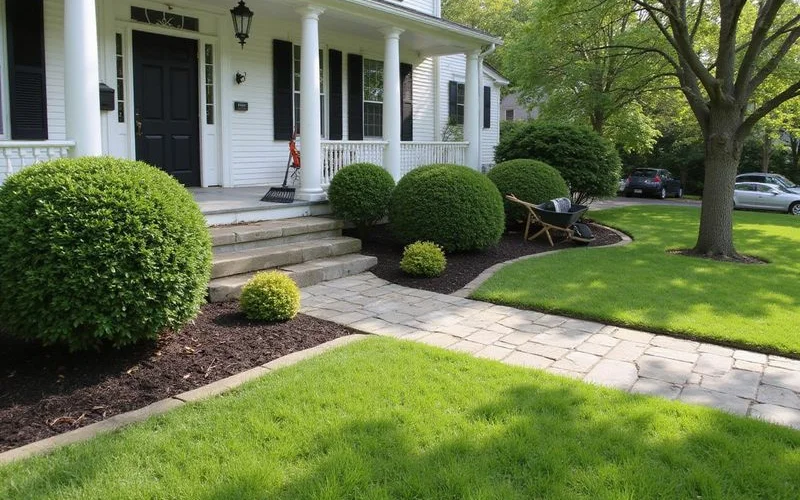
Basic cleanup can happen close to listing, even the week before. Anything involving new plantings benefits from a few weeks to a couple of months of lead time, so roots settle in and mulch weathers slightly rather than looking freshly laid. If you’re planning to list in spring, starting cleanup and any planting updates in late winter or very early spring, weather permitting, gives everything time to look established rather than obviously staged.
What to skip
Resist the urge to start a large hardscape project or full redesign specifically to sell. These projects are expensive, take time that competes with your moving timeline, and buyers frequently have their own plans for outdoor space that don’t line up with a seller’s recent investment. The exception is a genuinely worn or unsafe walkway or patio, which is worth addressing since it can raise concerns during an inspection, not just a visual one.
Photos happen before the tour
Most buyers see the yard in listing photos long before they walk up to it in person, so the cleanup needs to be finished before the photographer, not just before the first showing. This shifts the practical timeline earlier than sellers sometimes expect, since listing photos are often taken a few days to a week before the property actually goes live.
Staging the yard, not just cleaning it
Beyond basic tidiness, a few small staging touches can make a yard read as more livable in photos and in person: a couple of outdoor chairs or a small table on a patio, a clean welcome mat, and pots of simple seasonal color near the entry. These are inexpensive additions compared with any structural update, and they help buyers picture using the space rather than just looking at it.
What inspectors look for that buyers might miss
A home inspection typically covers grading and drainage around the foundation, which is a separate concern from cosmetic curb appeal. Standing water near the foundation, soil that slopes toward the house instead of away from it, or a downspout that empties too close to the wall are the kinds of issues an inspector will flag even if they’re invisible to a buyer casually touring the yard. Addressing an obvious drainage problem before listing avoids a negotiation surprise after inspection, separate from the visual updates that help with first impressions.
Getting it done efficiently
For a property that needs more than routine mowing before it’s photo-ready, a landscaper experienced with quick-turnaround cleanups can typically handle the work in a single visit or two rather than a drawn-out project. Browsing landscape design and installation listings, ranked using a published scoring method, is a good way to find someone suited to a pre-sale cleanup rather than a full redesign. The Connecticut landscaper directory also covers routine lawn care if ongoing maintenance is what your listing actually needs.
Common questions
- How far in advance should I start landscaping updates before listing my home?
- For anything beyond basic cleanup, a few weeks to a couple of months gives plants and fresh mulch time to settle in and look established rather than obviously just-installed. Basic mowing and tidying can happen much closer to listing.
- Is it worth a full landscape redesign before selling?
- Rarely. Full redesigns are expensive and buyers often have their own preferences for a yard's layout. Simpler, broadly appealing updates tend to offer a better return than a major overhaul done specifically to sell.
- Do buyers actually care about landscaping, or just the house itself?
- First impressions matter for how buyers feel walking up to a showing, and a neglected yard can create doubt about how well the rest of the house was maintained, even if that doubt isn't fully rational.
- What's the single highest-impact, lowest-cost update?
- A thorough cleanup, mowing, edging, weeding beds, fresh mulch, and general tidiness, tends to offer the best ratio of visual impact to cost of anything on this list.