Snow removal cost in Connecticut: per-push pricing vs. seasonal contracts
By Dana Whitfield · Updated 2026-06-11
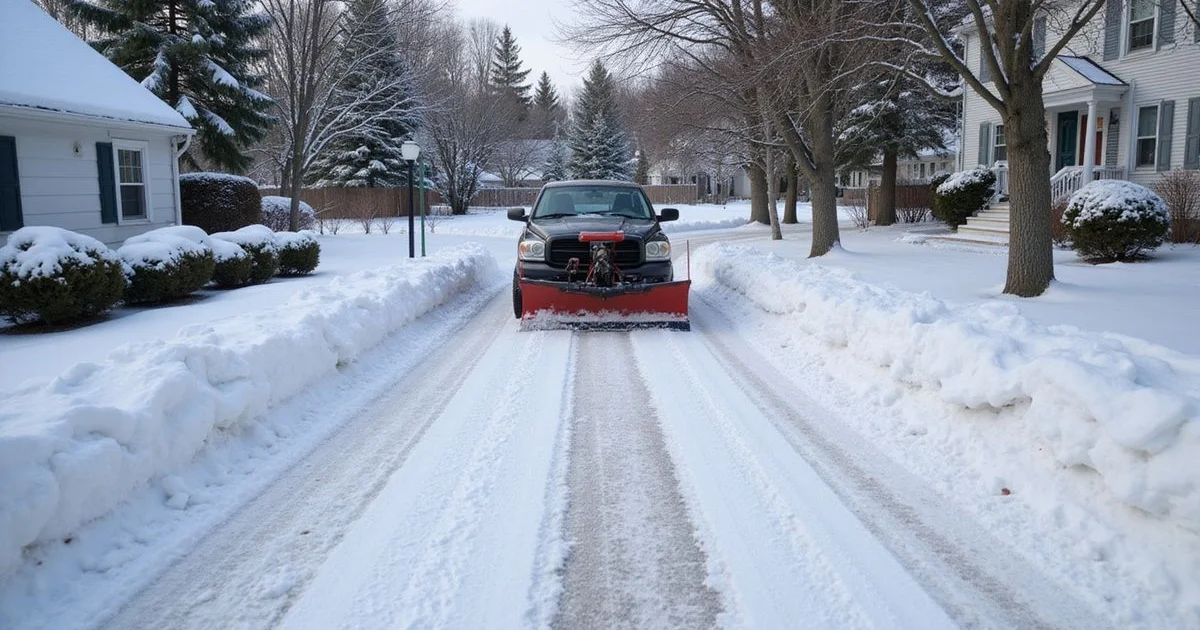
Snow removal is one of the few landscaping categories where the pricing model itself is a real decision, not just the number. Per-push and seasonal contracts both show up across Connecticut, and which one is cheaper depends on how the winter actually plays out.
Per-push vs. seasonal: how the two models work
Per-push pricing charges per visit, triggered once snowfall crosses a set threshold, often two or three inches. You pay only for the storms that happen, which is straightforward in a light winter and can add up fast in a heavy one.
Seasonal contracts charge one flat rate for the whole winter, regardless of storm count. That flat rate is built around an assumed number of storms, so it protects you if the season runs heavier than usual, but you pay the same even if only a few storms actually hit.
| Pricing model | Best for | Trade-off |
|---|---|---|
| Per-push | Light-snow winters, smaller driveways, flexible budgets | Costs climb fast in a heavy winter |
| Seasonal contract | Predictable budgeting, larger driveways, busy homeowners | You pay the flat rate even in a light winter |
What changes the price either way
- Driveway size. A small one or two-car driveway costs less to clear than a long or wide multi-car driveway, under either pricing model.
- Storm frequency. Connecticut typically sees a dozen or more plowable snow events in a typical winter, and that number is the main driver behind whether a seasonal contract or per-push pricing comes out ahead.
- Walkways and steps. Shoveling walkways and steps in addition to plowing the driveway is usually priced as an add-on, since it requires hand labor rather than a plow blade.
- Ice treatment. Salting or applying ice-melt is often billed separately from plowing, especially for commercial-style contracts.
- Priority scheduling. Some companies offer priority routes for an added fee, which matters if you need the driveway cleared before a specific time each morning.
Commercial vs. residential pricing
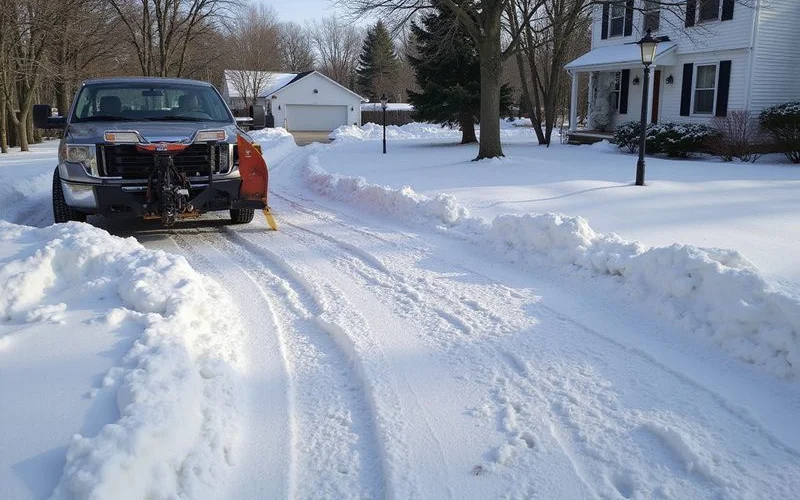
Commercial properties, parking lots, HOA common areas, and business entrances typically fall under separate pricing entirely, often billed by square footage or lot size rather than the per-driveway or seasonal-contract models most homeowners use. If you’re managing a shared driveway or a small multi-unit property, ask specifically which pricing structure applies, since a company quoting residential rates over the phone may revise the number once they see the actual scope.
Financing and payment timing
Most seasonal contracts are paid either as a lump sum before winter starts or split into a few installments across the season, rather than financed the way a large one-time project might be. Per-push pricing is usually billed after each visit or at the end of the month. Neither model typically involves financing in the way a full landscape redesign might, since the total cost is modest enough that most homeowners budget for it directly rather than spreading payments out with interest.
Questions worth asking before you sign a contract
Ask what triggers a visit (how many inches of snowfall), whether walkways are included, and what happens if a storm hits outside normal business hours. Also ask how the company handles a run of back-to-back storms, since some crews prioritize seasonal-contract customers over one-off calls when everyone in the region needs a plow at once.
A seasonal contract is a commitment for the winter, so it’s worth confirming cancellation terms and what happens if you sell the house or move mid-season. A contract does not erase your own legal exposure either; the snow and ice removal laws guide covers what Connecticut requires of homeowners regardless of who’s plowing.
Comparing companies
Snow removal is time-sensitive in a way most other landscaping categories aren’t, so reliability matters as much as price. A company that shows up consistently during a run of storms is worth more than one that’s a few dollars cheaper but unreliable when every driveway in the neighborhood needs clearing at once. Reviewing snow removal listings for consistent, recent feedback on responsiveness during storms, scored using the site’s published method, is a useful filter before committing to a season-long contract.
The broader Connecticut landscaper directory covers the rest of the categories these companies often also handle, from fall cleanup to spring lawn care, if you’re looking to bundle services with the same crew.
Common questions
- Is a seasonal snow removal contract cheaper than paying per storm?
- It depends on the winter. A seasonal contract locks in a flat rate regardless of how many storms hit, which protects you in a heavy winter but can cost more than per-push pricing in a light one. Connecticut typically sees a dozen or more plowable events in a season, so contracts often pencil out close to even.
- What's a typical driveway size range for pricing?
- Pricing usually scales with driveway size, from a small one or two-car driveway up to a long or wide multi-car driveway. Walkway and step shoveling is often priced as an add-on to either option.
- Does snow removal pricing include ice treatment?
- Not always. Salting or ice-melt application is frequently a separate line item, so ask specifically whether it's bundled or billed per application.
- Can I switch from per-push to a seasonal contract mid-winter?
- Some companies allow it, but many lock contracts in before the season starts because they're planning routes and crew capacity around committed customers. Ask before the first storm, not after.
Related on this site
- Browse snow removal providers
- Best snow removal in Connecticut →
- Snow and ice removal laws in Connecticut: what homeowners must know
- Preventing slips, falls, and damage from snow and ice at home
- Tree removal cost in Connecticut: what drives the price
- What landscaping costs in Connecticut and what changes the price
- All guides →