From consultation to finished yard: how a landscape design project works
By Dana Whitfield · Updated 2026-07-11
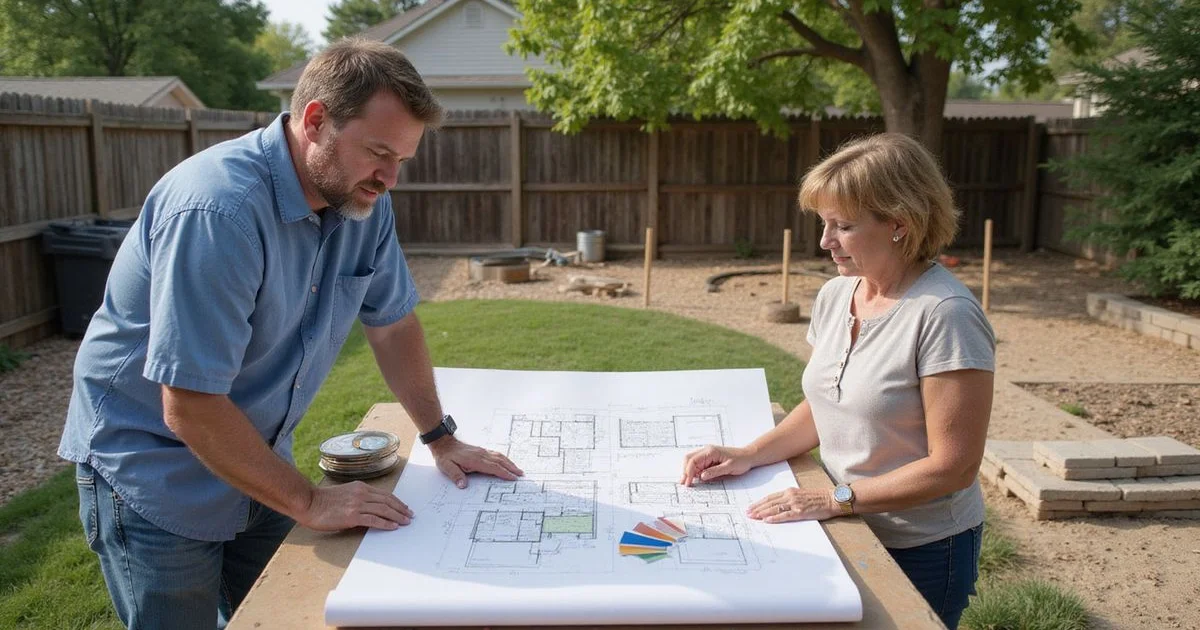
A full landscape design project can feel like a black box if you’ve never gone through one: you know you want a better yard, but not what happens between the first phone call and the finished result. The process generally follows a consistent sequence, even though the scale of any given project varies widely.
Step 1: Consultation and site assessment
The first meeting is usually about understanding the property and what you want from it. A designer will look at sun exposure, drainage, existing plants and hardscape, and how the space is actually used day to day. This is the point to bring photos of styles you like, a rough budget range, and any must-haves, like a play area or a low-maintenance requirement. If the goal is boosting curb appeal before selling rather than living with the yard long-term, the curb appeal checklist is worth reviewing before that first meeting.
Step 2: Design and proposal
From the site visit, a designer develops a plan, which can range from a simple sketch with a plant list for a modest project to a detailed drawn plan with material specifications for a full redesign. Along with the design comes a proposal covering cost, timeline, and what’s included.
| Stage | What typically happens | Rough timeframe |
|---|---|---|
| Consultation | Site visit, discussion of goals and budget | A single visit, usually an hour or two |
| Design and proposal | Plan drafted, cost and timeline proposed | A few days to a few weeks, depending on complexity |
| Installation | Site prep, hardscape or planting work | A few days for smaller projects, several weeks for larger ones |
| Final walk-through | Review completed work against the plan | Same day as completion |
Step 3: Installation
This is where the physical work happens: grading, hardscape construction if the project includes patios or walls, irrigation installation if needed, and finally planting. Larger projects often sequence this work, doing structural elements like retaining walls or patios before planting goes in, since heavy equipment and foot traffic can damage new plantings.
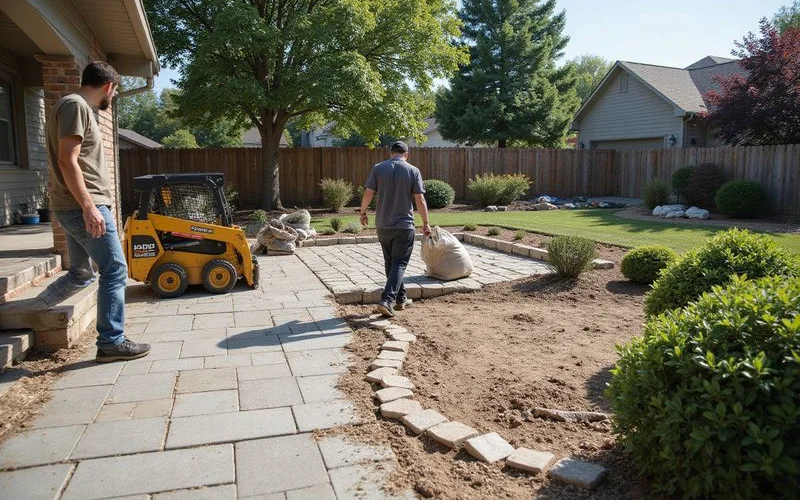
Expect the yard to look worse before it looks better. Grading and excavation stages are messy, and it’s normal for a project to look like a construction site partway through even when everything is on schedule.
Step 4: Final walk-through
Once installation wraps, walk the property with the designer or crew and compare the finished result against the original plan. This is the time to flag anything that doesn’t match what was discussed, ask about care instructions for new plantings, and confirm what’s covered under any plant guarantee.
Paying for the project
Most design and installation projects are billed in stages rather than as a single payment: a deposit to begin design work, a further payment when installation starts, and a final payment at completion or after the walk-through. This structure protects both sides, since it ties payment to actual progress rather than asking a homeowner to pay in full before any work happens. Ask how payments are staged before signing, and be wary of any company asking for the full project cost up front.
For larger projects, some companies offer financing through a third-party lender, spreading the cost over monthly payments. As with any financing arrangement, read the interest rate and total repayment amount closely, since a manageable monthly payment can still add up to significantly more than the project’s sticker price over time.
What tends to affect the timeline
Weather is the most common source of delay for outdoor installation work, especially anything involving concrete, grading, or planting that needs specific soil conditions. Material availability can also shift a timeline, particularly for specialty stone or plants ordered for a specific design. Asking about a realistic timeline range, rather than a single date, sets more accurate expectations from the start.
Choosing a designer
Since a design project is a bigger commitment than routine maintenance, past project photos and detailed reviews matter more here than for simpler categories. Browsing landscape design and installation listings, ranked using a published scoring method built on review sentiment and completeness, is a useful way to compare companies before committing to a design consultation. The Connecticut landscaper directory also covers hardscaping and irrigation specialists if your project needs a combination of trades.
Common questions
- How long does a landscape design project usually take from start to finish?
- Design and planning can take a few weeks depending on project size, and installation itself ranges from a few days for a modest planting refresh to several weeks for a full redesign involving hardscape work.
- Do I need a formal design plan for a smaller project?
- Not always. Smaller planting refreshes are sometimes handled with a simpler sketch and plant list rather than a full drafted plan, which keeps costs down for straightforward projects.
- Can the design change once installation starts?
- Minor adjustments are common, since a yard often reveals things a plan didn't anticipate, like drainage issues or unexpected soil conditions. Larger changes mid-installation usually affect both cost and timeline, so ask how change orders are handled before work begins.
- What happens if plants don't survive after installation?
- Many landscape companies offer some form of plant guarantee for a defined period after installation, though terms vary. Ask specifically what's covered and for how long before signing a contract.