DIY vs. hiring a landscaper in Connecticut: when each makes sense
By Dana Whitfield · Updated 2026-06-26
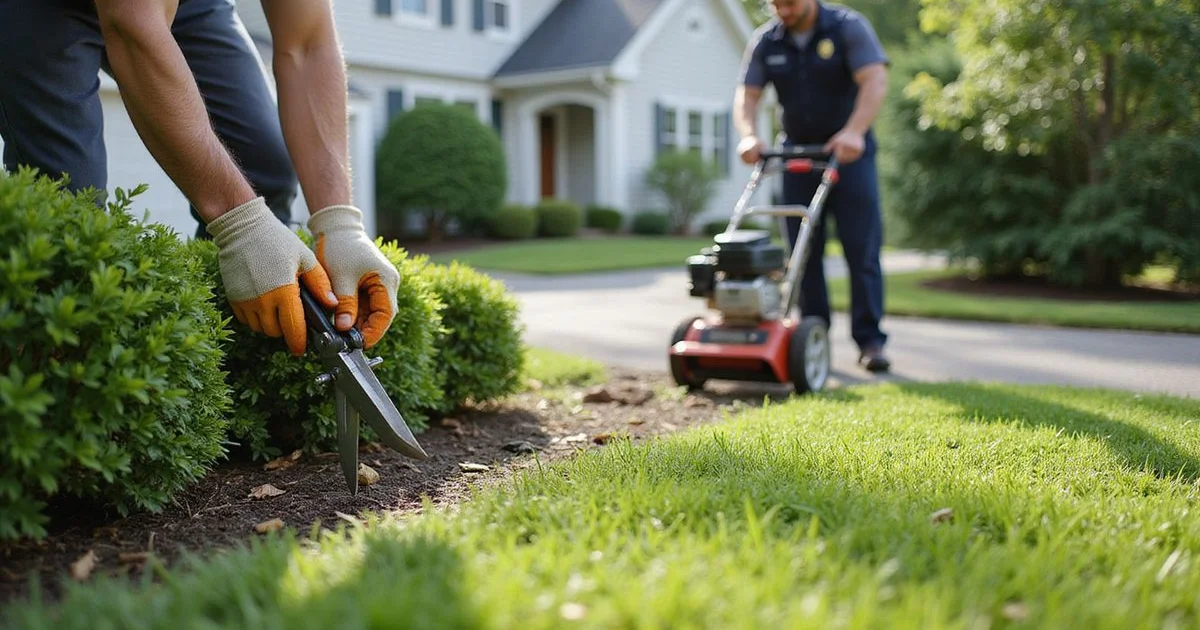
Every homeowner eventually asks the same question about yard work: is this worth doing myself, or should I just call someone. The honest answer depends less on how much you want to save and more on the specific task, since some jobs are genuinely low-risk and others carry real consequences if they go wrong.
The jobs that make sense to DIY
Routine, repeatable tasks with low risk of serious damage are the best DIY candidates. Mowing, basic edging, seasonal cleanup of leaves and debris, and small planting projects fall in this category for most homeowners with reasonable time and basic tools.
| Task | DIY difficulty | Why it’s usually reasonable |
|---|---|---|
| Mowing and edging | Low | Repeatable, low risk, tools are affordable |
| Seasonal leaf and debris cleanup | Low | Time-consuming but low skill and low risk |
| Small planting beds | Low to moderate | Mistakes are correctable and inexpensive |
| Basic pruning of small shrubs | Moderate | Some technique required, but low risk to the plant or property |
The jobs worth hiring out
Once a project involves real weight, height, water flow, or proximity to a structure, the calculus shifts. A mistake in these categories isn’t just a redo, it can mean property damage or an injury.
- Tree removal or trimming near structures or power lines. The physics of a falling limb or trunk are unforgiving, and a miscalculated cut can total a roof or a car. The hiring a tree service guide covers what a careful crew does differently before you take that risk on yourself.
- Retaining walls and major grading. Done wrong, these can fail under soil pressure or redirect water toward a foundation, turning a landscaping project into a drainage problem.
- Irrigation system design. Zoning water pressure correctly and avoiding backflow into a drinking water supply is more technical than it looks from the outside.
- Snow removal for anyone with mobility limits or a demanding schedule. The task itself isn’t complex, but consistency during a storm season is where DIY effort tends to break down.
What the equipment actually costs
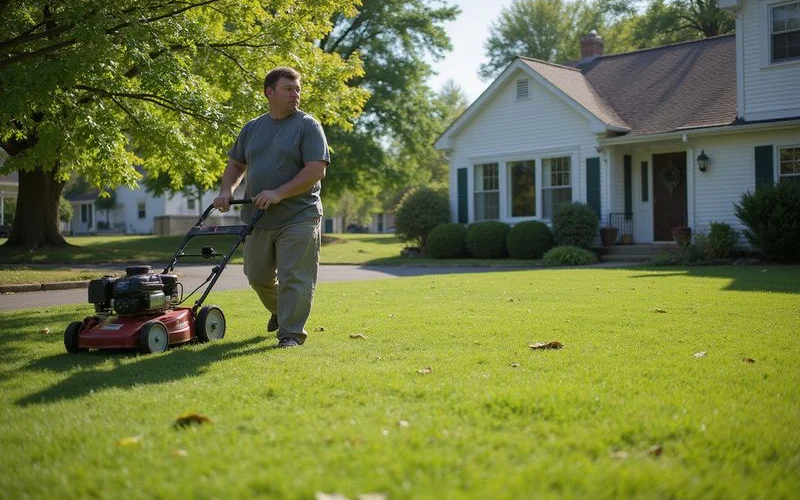
Part of the DIY calculation is what you already own versus what you’d need to buy. A mower, trimmer, and basic hand tools are a reasonable one-time investment if you’re planning to handle routine maintenance for years. A chainsaw capable of taking down anything beyond a small tree, a plate compactor for a hardscape project, or a trencher for irrigation lines are harder to justify buying for a single project, since the purchase cost alone can exceed what hiring the job out would have cost.
Rental equipment splits the difference for occasional larger tasks, letting you access heavier tools without the ongoing cost of owning them. It still requires enough familiarity with the equipment to use it safely, which circles back to the same question: is the risk of a mistake worth the money saved.
A practical way to decide
Ask three questions about any job: what’s the cost of getting it wrong, how much specialized equipment does it require, and how much of your own time will it actually eat up over a season. A task that scores low on all three (mowing, small cleanup jobs) is a reasonable DIY candidate. A task that scores high on any one of them, especially the cost of a mistake, is usually worth hiring out even if it costs more up front.
Time also compounds in ways that are easy to underestimate. A weekly mowing routine that takes an hour doesn’t sound like much, but across a full season it adds up to real hours that some homeowners would rather spend elsewhere.
Mixing both approaches
Plenty of homeowners split the difference: handling routine mowing and cleanup themselves while hiring out anything involving trees, hardscaping, or irrigation design. That split keeps cost down on the repeatable work while limiting exposure on the jobs where a mistake is expensive to fix.
If you decide a specific project belongs with a professional, the Connecticut landscaper directory breaks listings down by category, and the scoring method explains how those rankings weigh reviews, so you can shortlist a company suited to the specific job rather than a generalist.
Common questions
- Is mowing my own lawn actually cheaper than hiring a service?
- Usually, if you already own a mower and have the time. Once you factor in a season of gas, blade sharpening, and your own hours, the gap narrows, but it's still typically the cheapest DIY option for most homeowners.
- What yard work is genuinely risky to DIY?
- Tree removal or trimming near power lines or a structure, large retaining walls, and anything involving grading that affects drainage toward a foundation. These carry real safety and property-damage risk if done wrong.
- Can I install my own irrigation system?
- Small, simple setups are possible for a handy homeowner, but zoning the system correctly and tying into a water source without creating a backflow risk usually benefits from professional design, especially on a larger property.
- Is it worth hiring a pro just for the first year in a new house?
- Many first-year homeowners hire out the initial cleanup and any structural work, then take over routine maintenance once they know the property. That split limits risk on the unfamiliar parts while still saving money on the routine ones.